


Branding Trends 2026 – What Shapes Modern Brands
Brands are no longer static identities. They are dynamic systems shaped by culture, technology, and behavior.
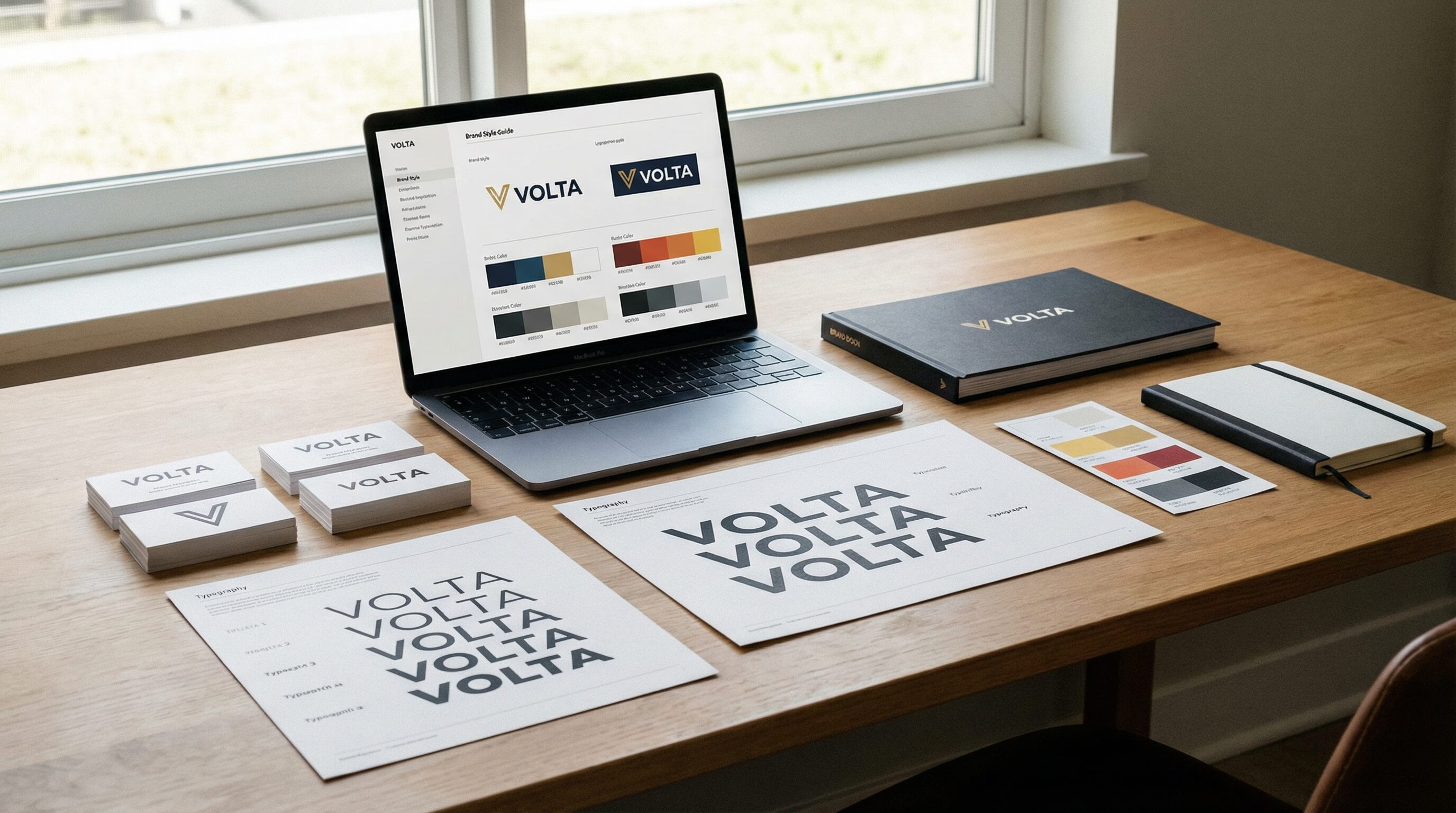
Brands are no longer static identities. They are dynamic systems shaped by culture, technology, and behavior.
Branding in 2026 is no longer defined by logos alone. It is defined by experience. Every interaction — digital or physical — contributes to how a brand is perceived.
This shift moves branding from static design to dynamic systems that adapt across platforms and contexts.
Brands are no longer designed once. They are continuously shaped.
Emotion is no longer an aesthetic layer. It is a strategic foundation. Brands that create emotional resonance build stronger connections and long-term loyalty.
Successful brands in 2026 focus on:
Clear emotional positioning
Authentic storytelling
Consistent tone across touchpoints
Human-centered communication
If you’ve read Design for the Senses – How Visuals Trigger Emotion, you know how deeply perception is connected to feeling.
Brands need to adapt faster than ever. Design systems are evolving from rigid guidelines into flexible frameworks.
In 2026, systems are built to scale:
Modular components
Adaptive layouts
Cross-platform consistency
Efficient production workflows
Design systems are no longer optional. They are essential.
Minimalism evolves into something more nuanced. Simplicity remains important, but it is enriched by subtle detail, motion, and layered meaning.
Brands focus on clarity without losing character.
The challenge is not reducing — it is refining.
Branding starts digitally. Even physical experiences are influenced by digital expectations.
This means:
Responsive identities
Performance-driven design
Interactive elements
Seamless user journeys
Digital is no longer a channel. It is the foundation.
Highly polished, generic branding loses relevance. Audiences expect honesty, clarity, and personality.
Brands that show real character stand out more than those that aim for perfection.
Authenticity becomes a differentiating factor.
If you want to create a brand that reflects these trends and remains relevant, let’s develop a strategy that connects design and meaning.
Because strong brands are not defined by trends. They evolve with them.