

The Future of Typography – Between Tech and Tradition
Type evolves. Principles remain.
Type evolves. Principles remain.
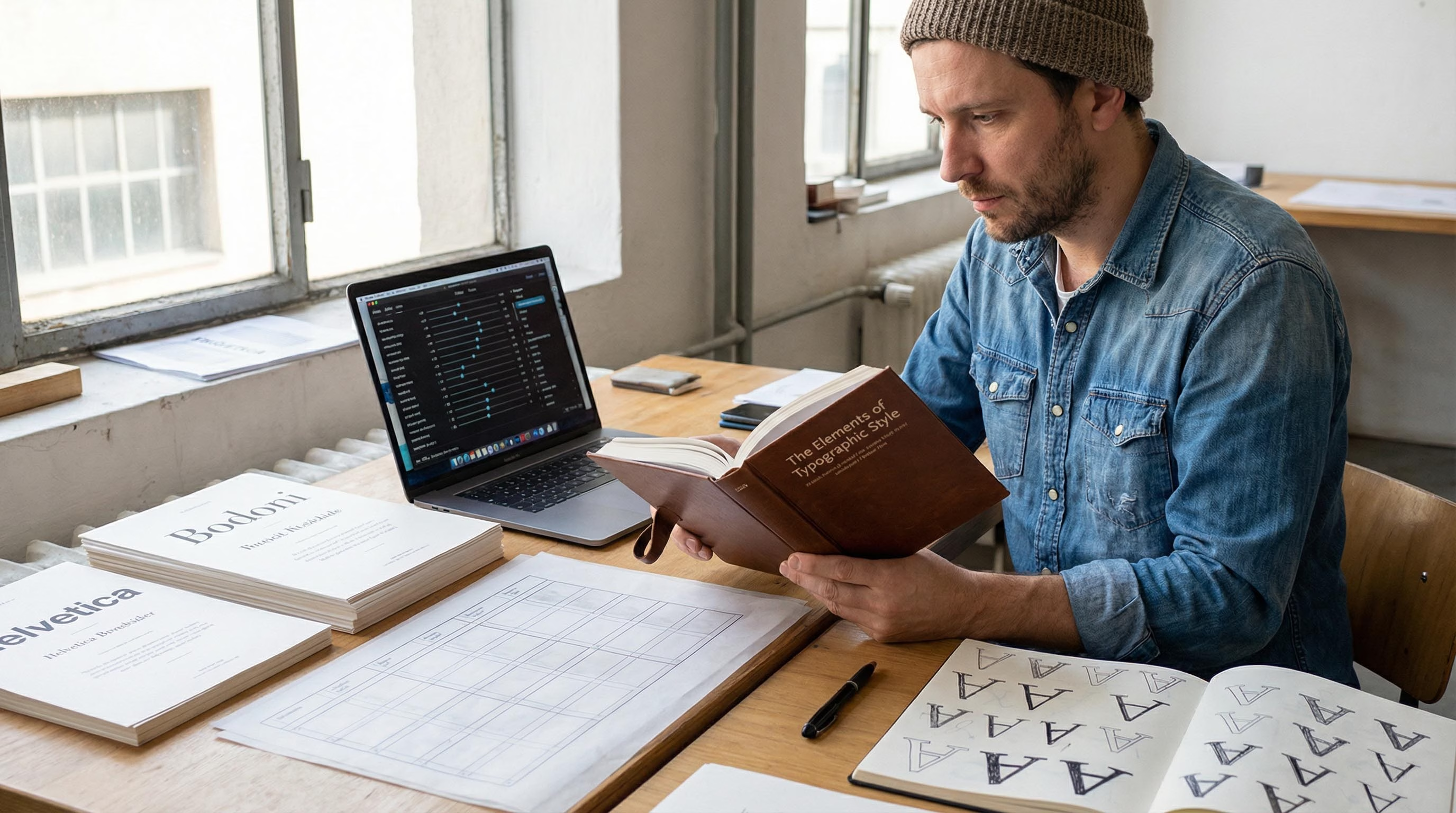
The future of typography is shaped by a fascinating tension: rapid technological innovation on one side, centuries of typographic tradition on the other.
From metal type to digital fonts, from print layouts to responsive web systems, typography has always adapted. Today, variable fonts, AI-assisted type design, and dynamic layouts are expanding what is technically possible.
But while tools evolve, the fundamentals of typography remain unchanged: readability, hierarchy, rhythm, and clarity.
The future of typography is not about replacing tradition. It is about reinterpreting it.
Variable fonts allow weight, width, and contrast to adapt fluidly. Responsive typography adjusts across devices. AI can assist in generating type variations, speeding up exploration and iteration.
These developments open creative freedom. Designers can create more expressive systems, adapt typography to motion, and scale identities more flexibly than ever before.
But technology alone does not create good typography. Without structure, it becomes noise.
If you’ve read “How AI Transforms Creativity (Without Replacing It)”, you’ll recognize that tools enhance creativity, but they don’t replace judgment.
Typography is rooted in human perception. Serif and sans-serif distinctions, contrast between thick and thin strokes, spacing, and line length – these principles evolved to support readability and visual balance.
Even the most futuristic typeface still depends on these foundations.
The future of typography will continue to rely on proportion, contrast, and harmony. Technology changes execution. It does not change perception.
Timeless typographic systems endure because they are built on human-centered principles.
One of the central questions shaping the future of typography is balance. How expressive should type be? When does personality compromise readability?
Experimental typography can create strong emotional impact. Kinetic type, oversized headlines, and unconventional layouts capture attention. But attention is not the same as understanding.
Typography succeeds when it guides the reader effortlessly. The best systems combine character with clarity.
Typography is one of the most defining elements of visual language. It shapes tone instantly.
A refined serif suggests heritage and authority. A geometric sans-serif signals modern precision. A custom display font can communicate bold personality.
As brands compete for attention in digital environments, typography becomes even more strategic. It must perform across screens, platforms, and formats – without losing identity.
The future of typography lies in systems that are flexible yet coherent.
Despite AI tools and automation, typography remains deeply human. It reflects culture, mood, and intention.
The future of typography will not be determined by software alone. It will be shaped by designers who understand both tradition and innovation.
Technology provides new instruments. Design provides meaning.
If you want to develop a typographic identity that feels contemporary yet grounded in principle, let’s build a system that balances innovation with clarity.
Great typography doesn’t just look good. It communicates with precision.